
Our expertise
Conditions treated
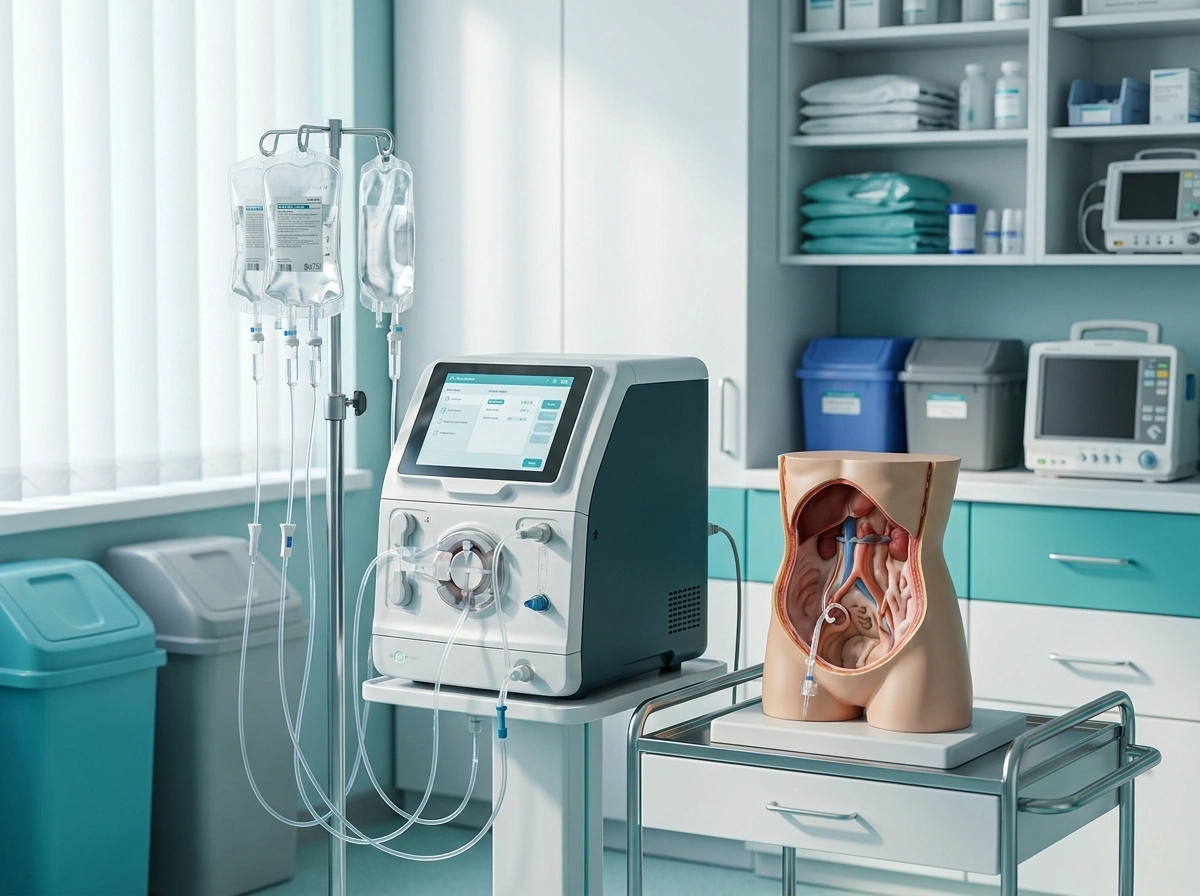
Peritoneal dialysis can be used when kidney activity declines to a very low level, and replaces the waste build-up and the excess fluid at home in a safe way.
Known chronic kidney-damaging diabetes can be relatively treated with home-based kidney care.
PD could be useful to patients with kidney failure caused by hypertension to help them have a less extreme course of fluid removal.
Long time peritoneal dialysis may be beneficial due to inflammatory kidney diseases that involve filtration.
PD therapy can sometimes help in the treatment of inherited cystic kidney disease that is heading towards kidney failure.
The patients who cannot support fistula or catheter access of haemodialysis can transfer to peritoneal dialysis.
PD is often preferred in patients with cardiac conditions because fluid removal is slower and more stable.
Peritoneal dialysis is usually the procedure suggested to children because it is flexible, comfortable and home-based.
When to seek help
Fluid & Body Pain Symptoms
Urine & Dialysis Output Changes
Infection & Catheter Warning Signs
Patients Requiring Immediate Medical Review
Our procedures
Peritoneal Dialysis Services Available At Kidney Care Hospital
CAPD – Continuous Ambulatory Peritoneal Dialysis
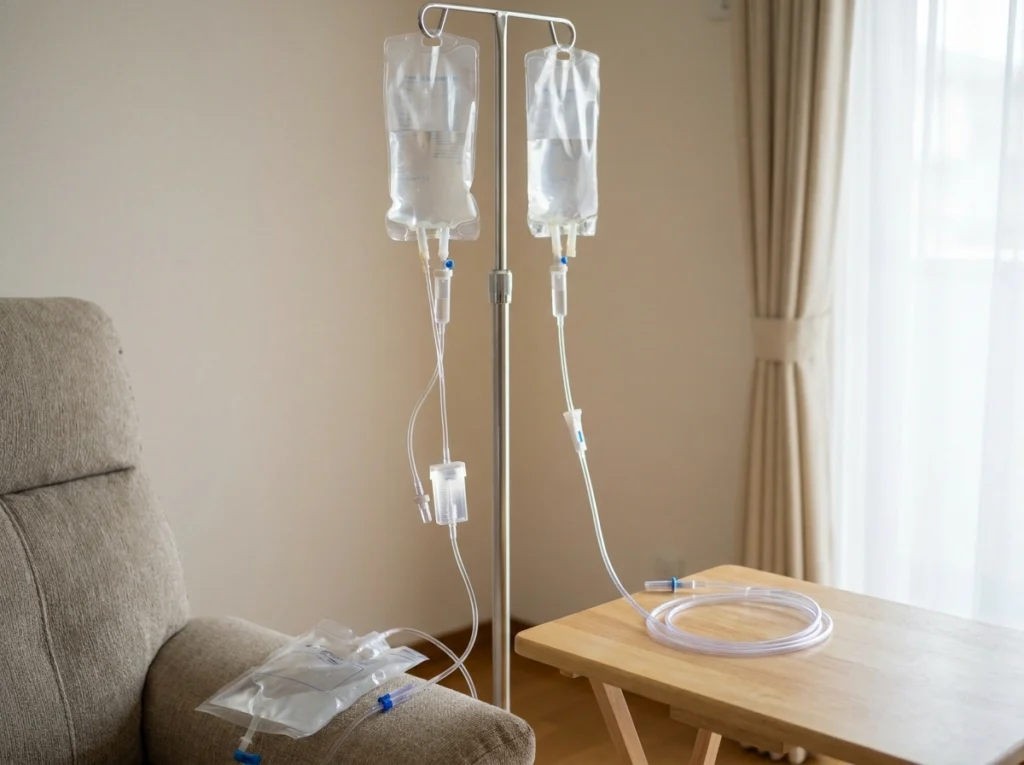
APD – Automated Peritoneal Dialysis
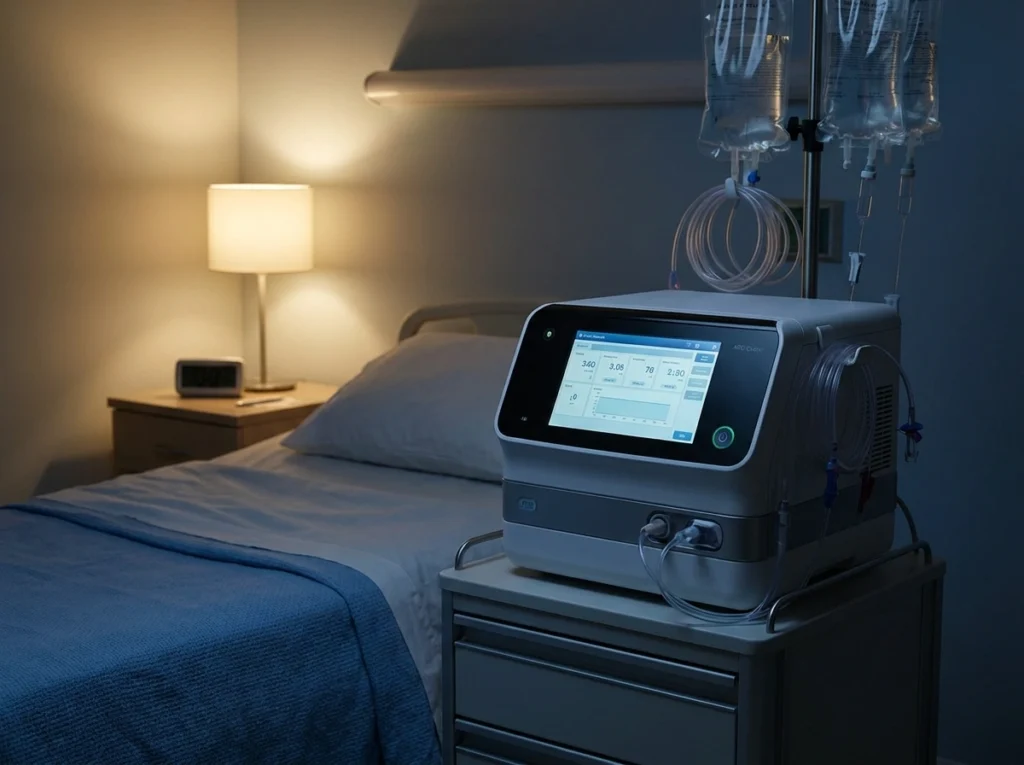
PD Catheter Insertion & Care
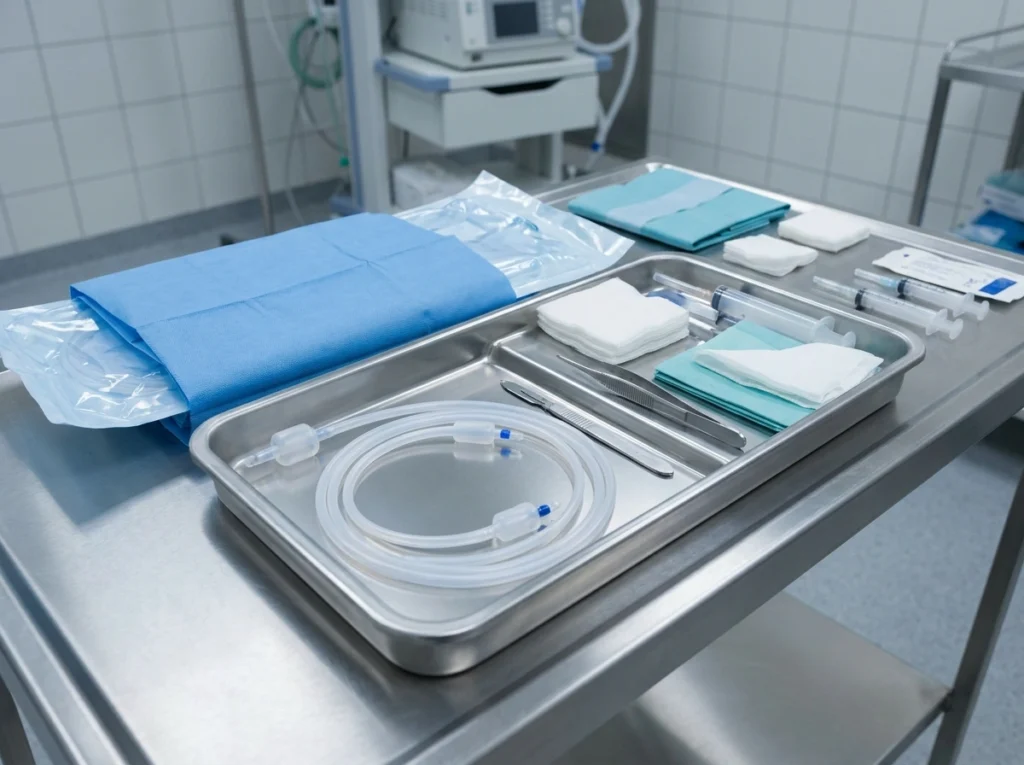
PD patient and caregiver training programme
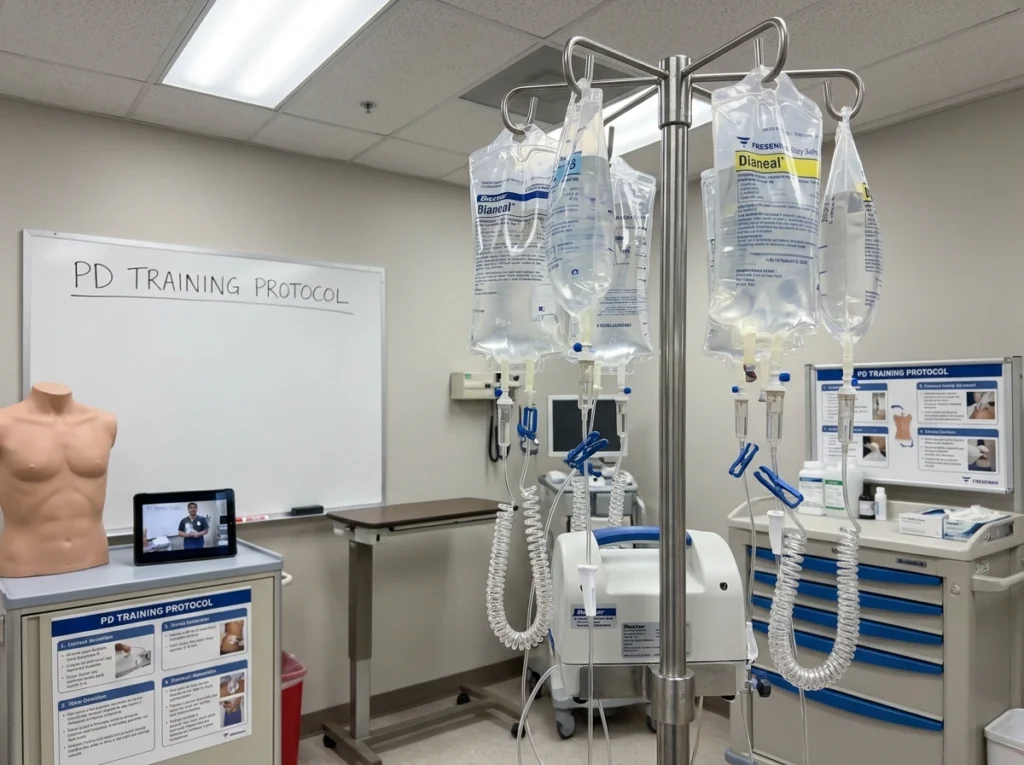
Peritonitis Detection & Treatment
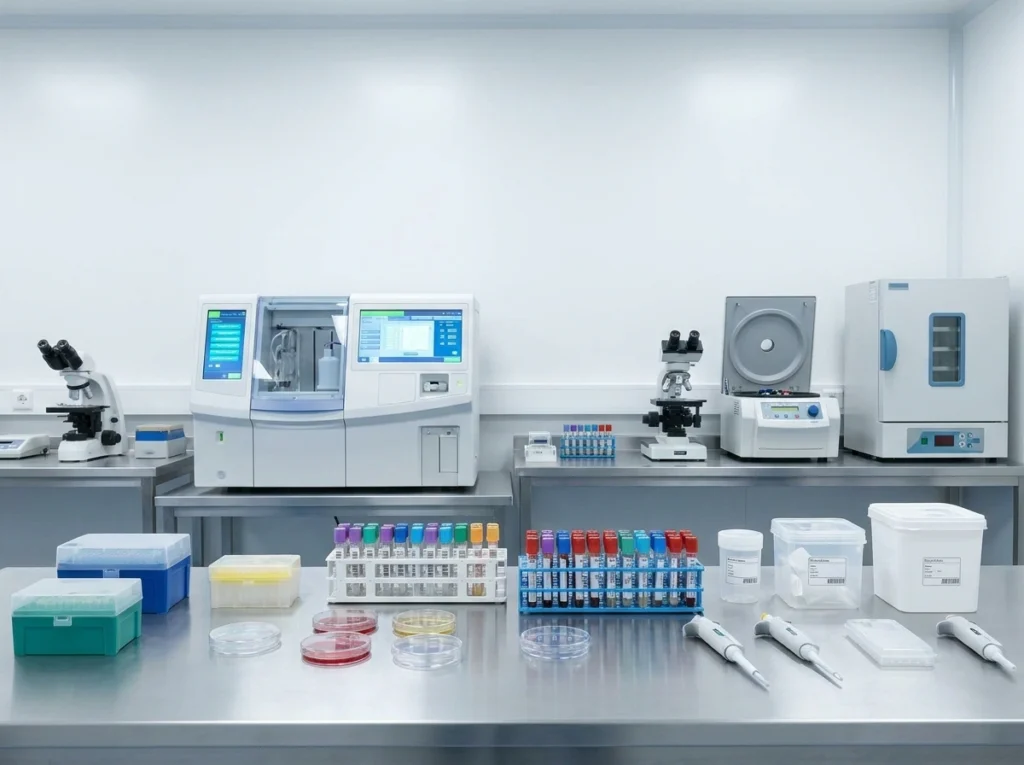
Regular PD Review & Monitoring

Why choose us
Skilled kidney failure dialysis treatment nurses offer full exchange training, catheter training, infection prevention education, and continuous counselling of patients.
Both CAPD Treatment and APD are available based on lifestyle and medical requirements.
Patients and caregivers receive continuous assistance for urgent concerns, troubleshooting, and home dialysis treatment in Vadodara
The safe and competent long-term PD care can be achieved with the help of routine clinical reviews, blood studies, and dialysis adequacy.
Diffusion and early diagnosis and quick treatment regimens benefit to curb the complication and safeguard the efficiency of peritoneal dialysis medicine.
Insurance approvals, monthly PD fluid supply coordination, and treatment planning towards uninterrupted advanced peritoneal dialysis care.
Equipment & approach
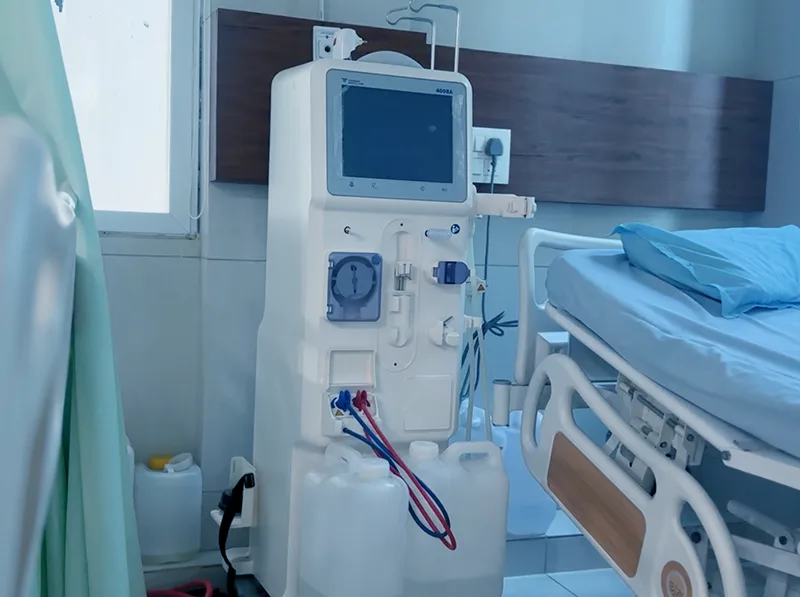

Recovery & Aftercare
How it works
Your Treatment Journey Step by Step
Nephrologist assesses suitability and dialysis options.
PD catheter inserted and allowed to heal.
Patient trained and dialysis started at home.
Regular monitoring of health, nutrition, and treatment.
Frequently Asked Questions
Yes. In comparison to haemodialysis, Peritoneal Dialysis Treatment is the type of dialysis that is typically conducted every day since it is continuous and more gentle in removing wastes and excess fluid in the body.
The insertion of PD catheters is mostly a brief operation under anaesthesia. The majority of the patients come home in fulfilment of a day of residence and commence training following recovery.
CAPD and APD are effective types of Peritoneal Dialysis Care. The most appropriate one will depend on your work schedule, kidney status, lifestyle and medical condition.
Fluid overload, toxin accumulations, swelling, breathlessness and discomfort could result due to a lack of exchanges. Patients are advised to seek advice with their PD care team at any given time.
Dialysis at home — more freedom, same expert care
Get in touch We're here to help
Nirvana Building Beside Galleria Mall, Opp Rishi Mandap Karelibaug water tank to Hathikhana road, Karelibaug, Vadodara
+91 81418 54550
kidneycarehospital@gmail.com
Book an Appointment